A Link Between Suicide and High Altitudes — What New Research Reveals

October 18, 2026•3 min read

A Link Between Suicide and High Altitudes

JULIA Blogs, Suicide causes of suicide, suicide 0

This just came in on August 14, from the online magazine “Care2,” written by Michelle Schoffro Cook.

Although the relationship between high altitudes, whether high plateaus or mountains, is interesting, we need a comparative study of suicide rates in areas in the world, such as the Andes and Tibet, in which poverty conditions do not present such strong cultural contrasts with the lower altitude regions at they do in the United States. Although the article is rightly focused on this one surprising issue, one wonders how these findings jive with the highest suicide rates being young adult males. It is doubtful that there is a biological difference between young adult females and young adult males, or between young adult males and mature males, in terms of their brain capacity to tolerate lower oxygen levels. We have a long way to go before understanding the causes of suicide. Certainly they are as complex and individualized as any other human tendency. Yet altitude could be an important lead.

In the wake of the tragic loss of Robin Williams, one of the great comedians of our time, and his suicide, it is important to examine why suicide rates are increasing with the hope that better understanding will improve the chances of saving peoples’ lives.

Sadly, suicide and death from self-inflicted injuries is currently the 14th most common cause of death. According to current increases in suicide rates, some experts believe that in 17 years it will be the 12th most common cause of death. While there are many possible reasons for the increase in suicides, including: psychiatric illness, mood disorders, and substance abuse, one study found an unusual link between altitude and the incidence of suicide.

Researchers from the University Hospitals Case Medical Center in Cleveland, University of Pittsburgh Medical Center, and the Massachusetts General Hospital in Boston, assessed mortality data from the U.S. Centers for Disease Control and Prevention (CDC) and published their findings in the journal High Altitude Medicine & Biology. After examining 2584 counties across the US and suicide rates over twenty years, as well as accounting for various other factors, they found a shocking correlation between suicide and altitude. The higher rates of suicide were found in the counties situated at the highest altitude.

The researchers concluded that “altitude is strongly associated with suicide rates in the United States. This novel finding is not explained by county differences in demographic factors, income, or geographic isolation.” The researchers found no correlation between other forms of death and altitude.

An earlier correlation linking suicide to altitude was also found in South Korean counties and published in the American Journal of Psychiatry.

The researchers of the High Altitude Medicine & Biology study hope that additional research may help to determine the exact reason(s) for the increased risk of suicide at higher altitudes although they note the possibility of reduced oxygen, brain hormonal changes, and other possible factors. Of course, altitude is not the only factor to consider or address but greater understanding of the precise biological and biochemical workings behind the increased suicide risk linked to altitude may help save lives. In the meantime, perhaps health care specialists will be able to address the altitude factor by encouraging relocation to communities in lower altitudes, oxygen therapy, and increased monitoring of and assistance with people suffering from depression or at high risk of suicide.
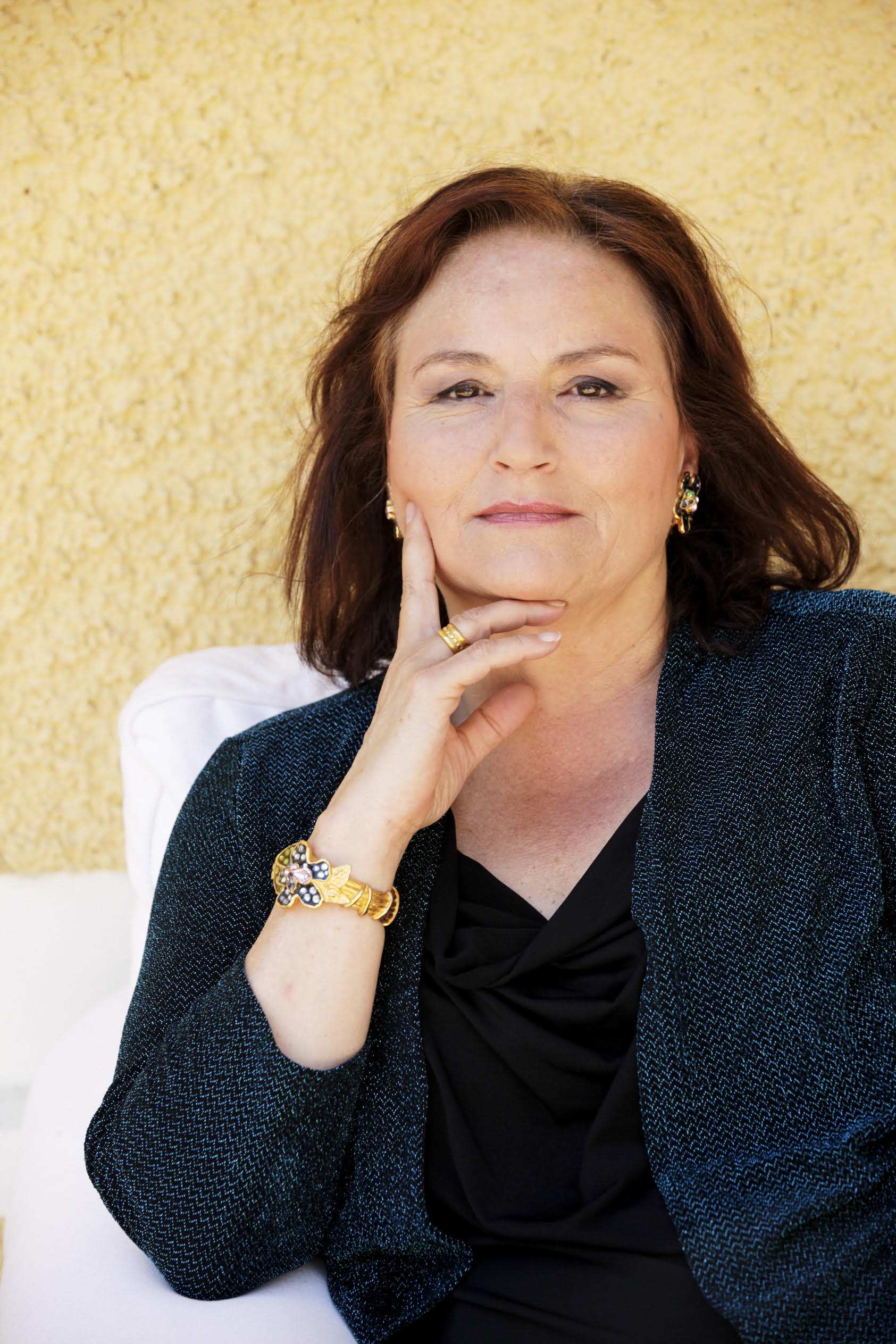
Julia Assante, PhD

Julia Assante, PhD

Dr. Julia Assante has been an active medium, life reader and medical intuitive since 1977. She was tested at Columbia University (1981) for telepathy and remote viewing under scientifically controlled conditions. Her accuracy scores were so high above other professional psychics that the researchers created a category for her alone. She is regarded as outstanding within the field of parapsychology. Julia is also the author of The Last Frontier: Exploring the Afterlife and Transforming Our Fear of Death. Her book won the Nautilus Gold Award for the category of death, dying and grief. Publisher’s Weekly called it “… the most important book on the enigma of death since the ground-breaking work of Elisabeth Kübler-Ross.” Her book was endorsed by such stellar authors as Deepak Chopra, Larry Dossey and Dean Radin, among others. In The Last Frontier, Julia draws primarily on her own amazing experiences as an active professional intuitive for 47 years. Her strong academic background (Columbia University and Yale) allowed her to include her ground-breaking exploration of the various historical constructions of the afterlife, from ancient Egypt and Mesopotamia to the present. Her book also includes consciousness research, physics, quantum biology, and parapsychology, studies of Near-Death Experiences and Nearing Death Awareness. She also uses the records of past-life therapists, of which she is one, of medical personnel and bereavement counselors. Her book further supports survival after death by including some of the best testaments of the many thousands of people who have experienced communication with the dead. Many readers have called The Last Frontier the Bible of life after death. During the last 47 years, Julia has given private sessions and workshops in English and German, in the US and Europe on remote viewing, healing and medical intuition, after death communication, and recalling past and future incarnations. Furthermore, she has appeared on the TV program “Meine letzte Chance” (“My Last Chance)” which has helped people lead healthier lives. She has also given numerous talks and interviews on topics such as after-death communication, end-of-life research, mediumship, and spiritual transformation. As a certified regression / Past-Life therapist, she has helped many individuals on their profound journeys of self-discovery, which often leads to physical healing from even such dangerous diseases as cancer. Her greatest achievement, however, is the Percy Project in which she scientifically proves the survival of life after death using technology. The result of her last trials were extraordinary, without a single failure but with many mind-boggling surprises. She hopes to continue trials in Vienna soon. For more on this, see The Percy Project on this website. Academically, Julia is an established archaeologist and social historian of the ancient Near East, including ancient Mesopotamia, Egypt and Greece. She was awarded a PhD by Columbia, but also studied at She taught at Columbia, Bryn Mawr and the University of Münster and has given talks at major universities in the United States and Europe. Her numerous, often revolutionary, scholarly articles (see Academia.edu) continue to influence research on the ancient Near East as well as biblical and Greco-Roman studies. Julia has led a multicultural life. She has lived in the US but also in France, Italy, Germany, Austria and China. She has also studied seven languages, including three cuneiform ones. Today, she lives a quieter life with her partner, dividing her time between Austria and France. Even in retirement, she continues to share her knowledge through talks, interviews and writing, to inspire a new generation to be aware of the next step–nonlocal multidimensional universes! It’s going to be fun!

Instagram logo icon
Youtube logo icon
Back to Blog